Why I Started Watching Games Differently After My First Live Wager
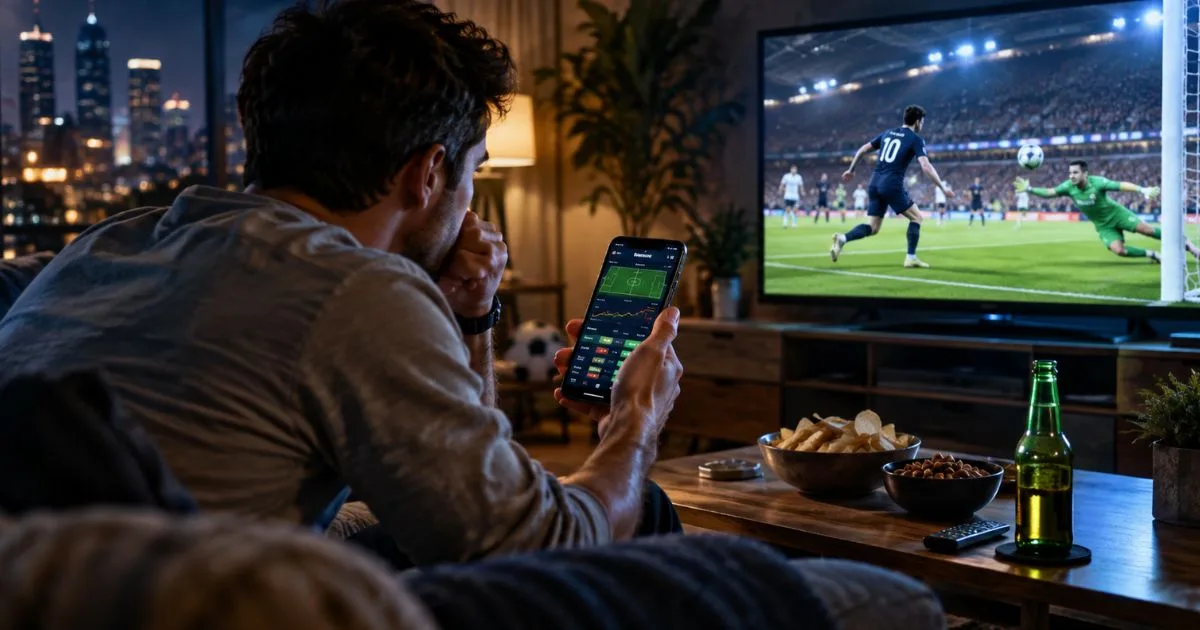
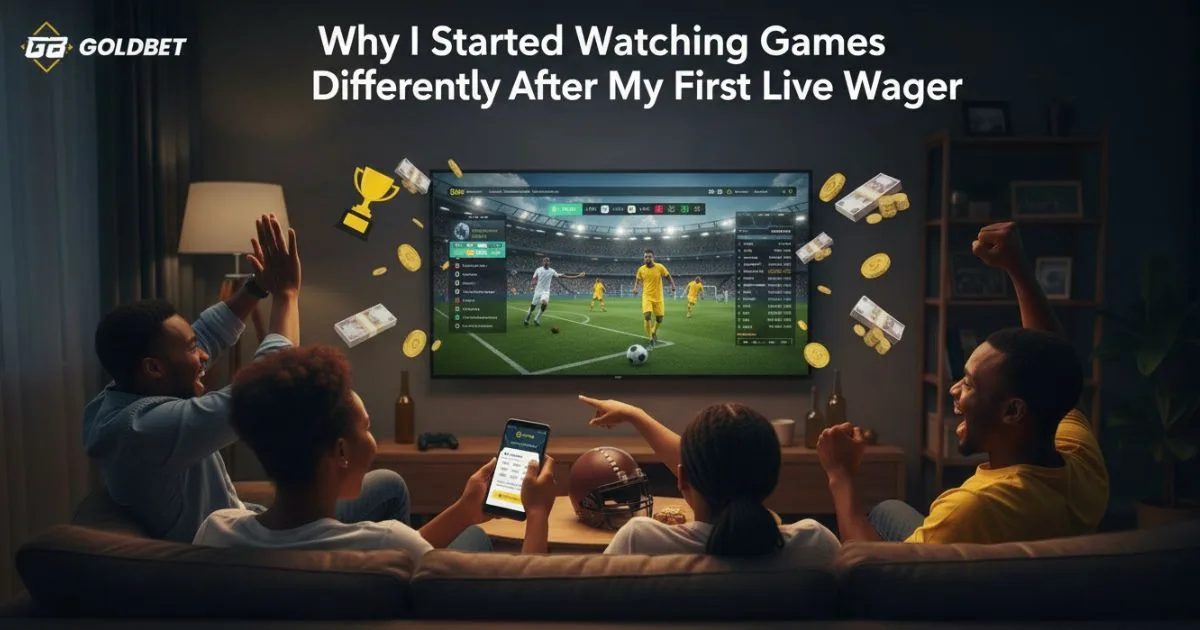
So I used to watch soccer like a zombie basically. Couch, beer, snacks within arm's reach. Nothing special about it. But around 8 months back I threw down my first soccer bet while a match was actually happening, and suddenly every pass felt like life or death.
You know when you're half-watching and your brain just drifts off during the boring parts? I'd scroll Instagram, make another sandwich, zone out completely until someone scored. Yeah, that stopped real fast.
The 23-Minute Shift
Around minute 23 of a match last March—Manchester United versus Liverpool—I decided to drop $15 on whoever scored next. My pulse went nuts. I checked my fitness watch afterwards and saw it spike from 72 bpm to 91 bpm in maybe 30 seconds.
Suddenly every player's position mattered in a way I'd never experienced before. When Bruno Fernandes came back deep to grab the ball I wasn't just seeing a midfielder doing normal stuff but actually calculating shooting angles and remembering he'd banged in two goals from outside the box in his previous four matches.
And patterns I'd completely missed before just appeared out of nowhere.
What Actually Changes When You're Invested
Look I've watched soccer since age 12. Roughly 19 years of matches under my belt. But I learned more about defensive formations in three months of engaged watching than I did in almost two decades of passive viewing.
The tiny details start jumping out at you, stuff like how a fullback's positioning shifts when fatigue sets in—usually around the 67-minute mark—or how certain strikers drift wide when they're not getting service through the middle.
I honestly think people who watch casually miss like 60% of what's actually unfolding on the pitch. They follow the ball, maybe track whoever has possession, but everything else fades into background static.
The Numbers Game Nobody Talks About
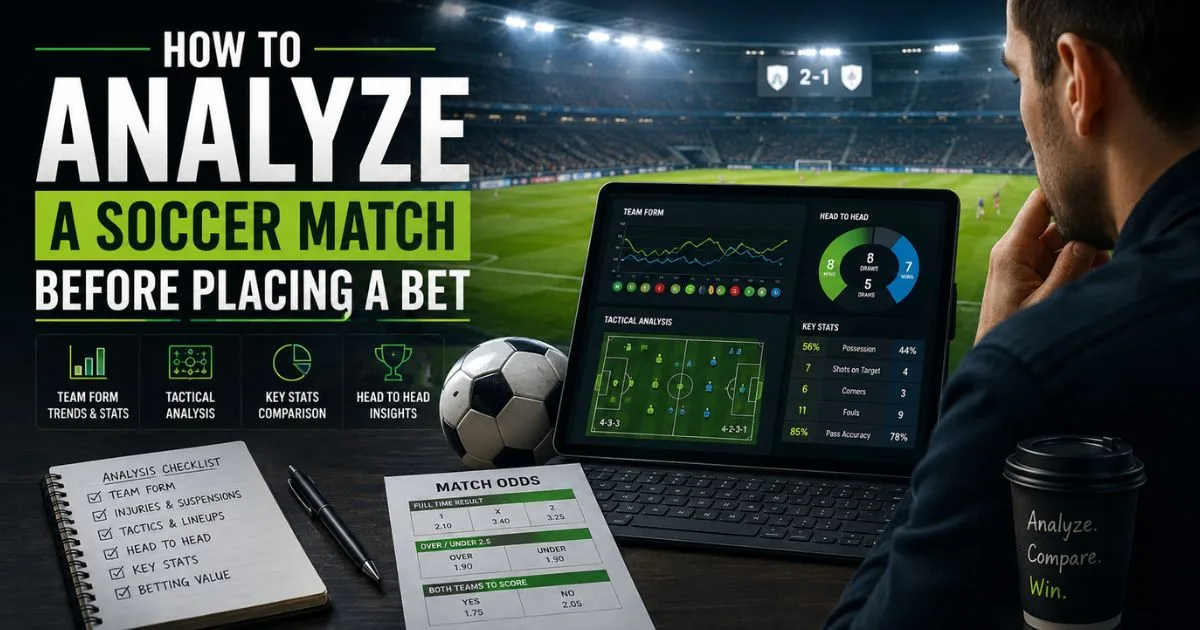
I started keeping a notebook which is kinda dorky but I don't really care. Tracked stuff like average corners per game for specific teams—Chelsea hit 6.2 corners in home games during one stretch—and substitution timing because most managers make that first change between minutes 58 and 63.
Momentum shifts become visible. Not the fake momentum commentators invent to fill airtime, but actual tactical adjustments that change probability in real time, like when a team switches formation from 4-3-3 to 4-2-3-1 around minute 55.
Why Live Watching Beats Everything Else
When you're watching matches as they actually happen you can't lean on what some pundit thought might occur three days ago because you're making reads based on what's unfolding directly in front of your eyes.
Last week I watched a Bundesliga match where Bayern led 2-0 at halftime and everyone assumed the result was sealed but I noticed their center-back limping slightly and saw how the opposing striker repositioned himself differently. Bayern only won 2-1 and the match was way tighter than that scoreline suggests.
I've gotten pretty good at reading referee tendencies too which sounds weird but some refs allow way more physical contact than others and that completely transforms how aggressive defenders can play.
Pre-match analysis maybe gives you 40% of what you need. But watching live and adjusting your thinking based on events as they happen? Completely different experience. Weather shifts, injuries, crowd intensity, all these variables you simply cannot predict beforehand.
Can't imagine going back. Every match feels like working through a puzzle that's assembling itself in real-time, and the game just carries more weight when you're genuinely locked in on every detail moment by moment.